
Common Signs of Dry Eye and When to Seek Treatment

Dry eye is one of the most common reasons people visit an eye doctor, but it is also one of the easiest conditions to overlook. Many patients assume burning, watering, or blurry vision is just part of a long day, seasonal allergies, or too much screen time. While those factors can make symptoms worse, ongoing dry eye may be a sign that your tear film is not keeping your eyes properly protected.
For patients in Baltimore, dry eye symptoms can interfere with work, reading, driving, contact lens wear, and everyday comfort. At Sanaga Optical and Eye Care, we help patients understand what is causing their symptoms and when dry eye treatment may be needed.
What Is Dry Eye?
Dry eye happens when the eyes do not produce enough tears or when the tears evaporate too quickly. A healthy tear film keeps the surface of the eye smooth, clear, and comfortable. When that tear film becomes unstable, the eyes can feel irritated, tired, or sensitive.
Dry eye can be temporary, but it can also become a chronic condition. Screen use, indoor heating and air conditioning, certain medications, aging, contact lenses, allergies, and eyelid gland problems can all contribute to symptoms. In some cases, dry eye is connected to inflammation or meibomian gland dysfunction, which affects the oil layer of the tears.
Common Signs Of Dry Eye
Dry eye does not always feel like dryness. Some people experience burning or stinging, while others notice excessive watering. This happens because the eyes may produce reflex tears in response to irritation, but those tears are often not stable enough to solve the problem.
Common dry eye symptoms include:
- Burning, stinging, or scratchy eyes
- A gritty feeling, like something is in the eye
- Redness or irritation
- Watery eyes
- Blurry or fluctuating vision
- Light sensitivity
- Eye fatigue after reading or screen use
- Contact lens discomfort
- Mucus or stringy discharge around the eyes
If these symptoms happen often or keep returning, it may be time to schedule a dry eye evaluation in Baltimore.
Why Dry Eye Can Affect Your Vision
Dry eye is not just uncomfortable. It can also affect how clearly you see. When the tear film is uneven, light does not focus as smoothly on the eye’s surface. This can cause vision to blur, especially during tasks that require concentration.
Many patients notice that their vision seems to clear after blinking, then becomes blurry again. Others find that their eyes feel worse after using a computer, reading, driving at night, or spending time in dry indoor environments. If your vision changes throughout the day, dry eye may be part of the reason.
When To Seek Dry Eye Treatment
Occasional dryness may improve with rest, hydration, and artificial tears. However, you should seek treatment if symptoms are frequent, worsening, or interfering with your daily routine. Relying on eye drops several times a day without lasting relief can also be a sign that the underlying cause needs to be addressed.
You should schedule an eye exam if you have persistent redness, discomfort, blurry vision, light sensitivity, or contact lens intolerance. It is also important to seek care if symptoms affect only one eye, become painful, or appear suddenly.
How An Eye Doctor Can Help
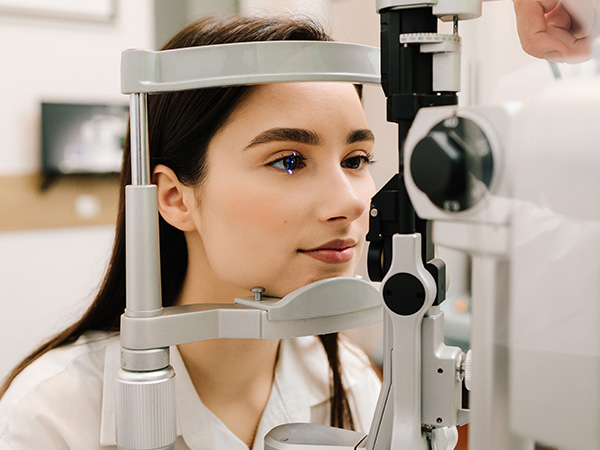
A dry eye evaluation helps identify the cause of your symptoms. Your eye doctor can examine the surface of the eye, evaluate tear quality, check for inflammation, and look at the eyelids and oil glands. This allows treatment to be more targeted than simply choosing an over-the-counter drop.
Depending on your needs, dry eye treatment may include lubricating drops, prescription eye drops, eyelid care, lifestyle adjustments, contact lens changes, or other therapies designed to improve tear stability and comfort. The goal is to reduce irritation, protect the eyes, and support clearer vision.
Do Not Ignore Ongoing Eye Discomfort
Dry eye can become more frustrating over time when it is not treated. If your eyes frequently burn, water, feel gritty, or blur during the day, an eye exam can help you find out what is happening and what treatment options may help.
Schedule dry eye treatment at Sanaga Optical and Eye Care in Baltimore, MD by calling (410) 669-9700. Visit us at 2401 Liberty Heights Ave., Baltimore, MD 21215.
Helpful Articles
article_category: products
article_category: psychiatry
article_category: faqs
article_category: cats
article_category: general
article_category: services
article_category: technology
article_category: dogs
article_category: restorative
article_category: vision therapy
article_category: contact lenses
article_category: health
article_category: conditions
article_category: eye surgery co-management
article_category: exotic
article_category: cosmetic
article_category: surgical procedures
article_category: aesthetics
article_category: preventative
article_category: ocular disease management
article_category: eyeglasses
article_category: eye health
article_category: large animal
[]
article_category: psychiatry
article_category: faqs
article_category: cats
article_category: general
article_category: services
article_category: technology
article_category: dogs
article_category: restorative
article_category: vision therapy
article_category: contact lenses
article_category: health
article_category: conditions
article_category: eye surgery co-management
article_category: exotic
article_category: cosmetic
article_category: surgical procedures
article_category: aesthetics
article_category: preventative
article_category: ocular disease management
article_category: eyeglasses
article_category: eye health
article_category: large animal
[]
Flowbite is an open-source library of interactive components built on top of Tailwind CSS including buttons, dropdowns, modals, navbars, and more.
Check out this guide to learn how to get started and start developing websites even faster with components on top of Tailwind CSS.
All Eye Care Services
Find personalized eye care excellence with our comprehensive services. From eye exams to advanced diagnostics, trust us for all your vision needs.

Keep In Touch
For non-urgent questions or to learn more about our services, contact us today!
© 2026 Sanaga Optical and Eye Care. All rights Reserved - Accessibility Statement - Privacy Policy - Sitemap
Managed and Designed by 